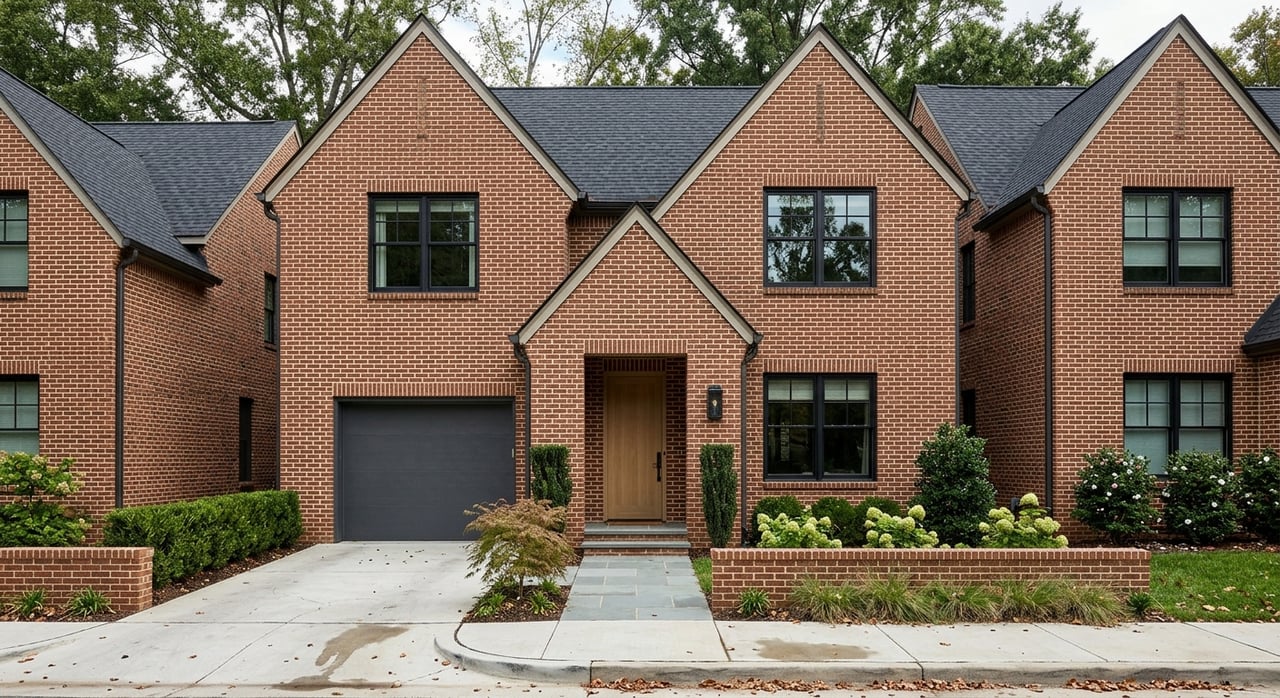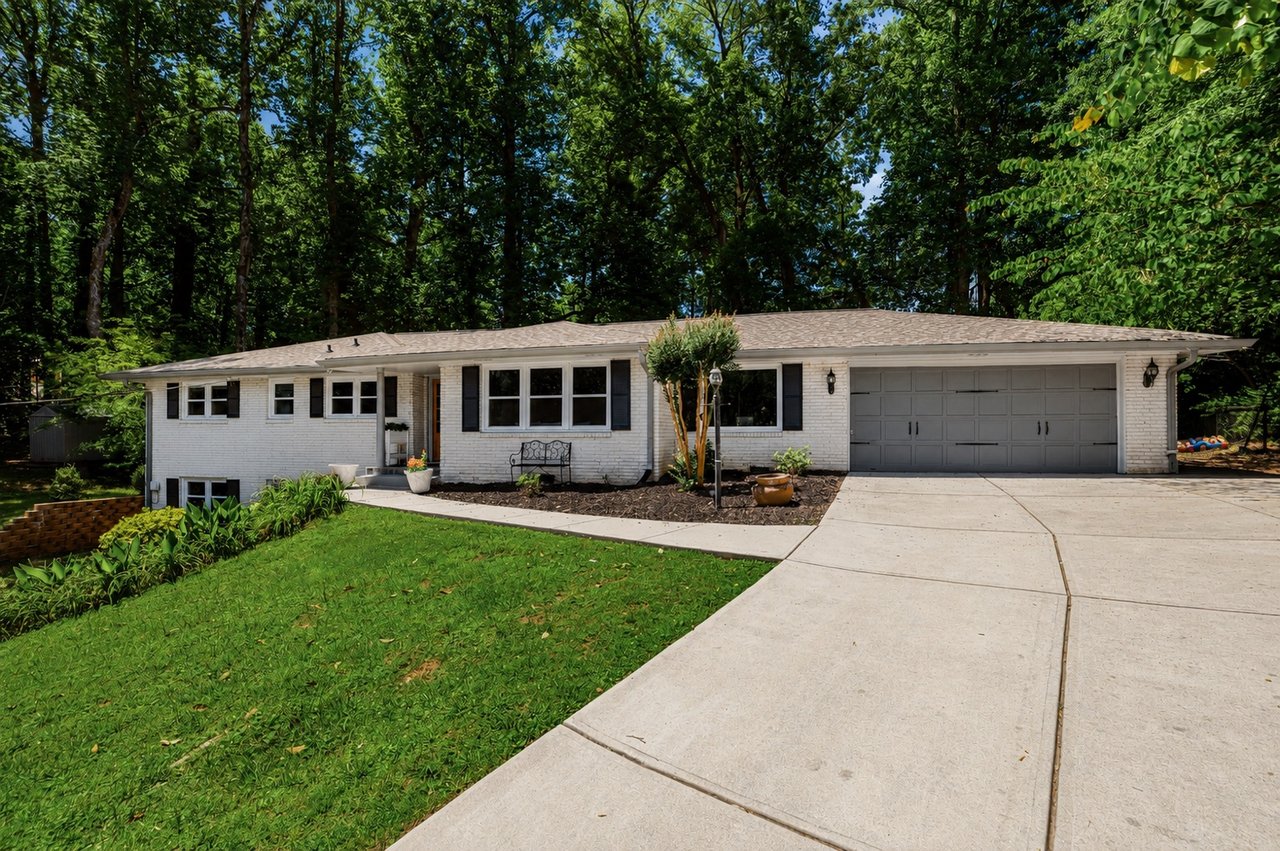
Thinking about a move to Johns Creek? If you are relocating to North Atlanta, this city often lands on the shortlist for good reason. You may be weighing commute options, neighborhood styles, and day-to-day lifestyle, and this guide will help you sort through those tradeoffs with more clarity. Let’s dive in.
Why Johns Creek draws relocation buyers
Johns Creek is a Fulton County suburb with 82,453 residents, according to the 2020 U.S. Census. Since incorporating in 2006, it has built a strong identity around established neighborhoods, parks and trails, and access to healthcare and business hubs.
The city also stands out for its well-educated and globally connected population. City materials report that 25% of residents are international, 71.3% of adults age 25 and older hold a bachelor’s degree, and 28.5% hold a graduate or professional degree. Estimated median household income reached $156,427 in 2022.
For many relocation buyers, Johns Creek offers a practical mix of suburban space and professional convenience. The city is home to more than 700 healthcare and life sciences companies, which makes it especially relevant if you are moving for a medical, executive, or corporate role.
What living in Johns Creek feels like
Johns Creek is not built around one compact downtown. Instead, it functions more as a collection of residential pockets connected by major roads, parks, and community amenities.
That matters because your experience of Johns Creek depends a lot on where you land. One area may feel close to golf and gated communities, while another may offer easier access to townhomes, trails, or key commute corridors.
If you are coming from a denser urban setting, Johns Creek may feel quieter and more residential. If you are moving from a more spread-out suburb, it may feel familiar but more polished and amenity-rich.
How to think about Johns Creek neighborhoods
A useful way to approach Johns Creek is by housing style and daily routine rather than by expecting a single town center. Community rosters and city geography point to a number of well-known areas and subdivisions, including Country Club of the South, St. Ives Country Club, Medlock Bridge, Shakerag, Rivermont, Seven Oaks, Sugar Mill, Doublegate, Abbotts Bridge Place, and Abbotts Landing.
For many buyers, the search usually falls into three broad categories:
- Higher-end club communities
- Established single-family neighborhoods along major arterial roads
- Lower-maintenance townhome or active-adult options
This framework can help you narrow choices quickly. Once you know your budget, commute needs, and preferred level of maintenance, it becomes much easier to identify the right fit.
Club communities and executive homes
If you want a more elevated neighborhood setting, Johns Creek has several established club-oriented communities. These areas often appeal to buyers who value privacy, mature landscaping, and a more traditional North Atlanta executive-home feel.
This can be a strong match if lifestyle matters as much as square footage. If you want a home that supports entertaining, recreation, or a more established neighborhood atmosphere, these communities are often worth a close look.
Established neighborhoods with room to grow
Johns Creek remains a predominantly single-family market. The city profile says 77% of homes are owner-occupied, and 75% of homes were built between 1980 and 2000.
That means much of the housing stock offers what many relocation buyers want: larger lots, mature trees, and neighborhoods with a long-standing residential feel. If you are moving up in space or looking for a more settled suburban environment, this part of the market is often appealing.
Townhomes and lower-maintenance living
Not every relocation buyer wants a large detached home. Johns Creek also includes western and central townhome sections where renter occupancy is higher, along with active-adult and assisted-living inventory that may matter for downsizers or multigenerational planning.
The city profile identifies 1,691 active-adult units and 1,165 assisted-living or memory-care units. That broader housing mix can be helpful if your move involves simplifying upkeep or coordinating housing needs for family members.
What homes cost compared with nearby areas
Johns Creek can offer strong value within the North Atlanta conversation. The city profile estimates a median home value of $465,177 in 2022.
That figure sits below Alpharetta at $521,315 and Milton at $590,517 in the same city profile. For buyers comparing North Fulton options, Johns Creek may provide a way to stay in a highly regarded suburban corridor while keeping a bit more flexibility in the budget.
Of course, pricing varies significantly by home type, condition, lot, and neighborhood setting. Club communities and gated sections can look very different from townhome or active-adult options, so it helps to compare by lifestyle category, not just citywide averages.
Commute reality in Johns Creek
Commute patterns are one of the biggest factors in whether Johns Creek feels like the right fit. This is primarily a car-based suburb.
The city profile states there is no MARTA-operated service inside Johns Creek. The nearest MARTA access is Doraville, about five miles south, and a former commuter bus connection was eliminated in 2020 because of low ridership.
If you need rail access as part of your daily routine, that is important to know upfront. Johns Creek tends to work better for buyers whose work and life are centered around North Fulton, Alpharetta, Roswell, Sandy Springs, Atlanta corridors, or local healthcare and office campuses.
Strong corridors for work access
Johns Creek has about 28,166 jobs, according to the city profile. Top employers include Alcon Laboratories, Emory Johns Creek Hospital, Macy’s Systems and Technology, Atlanta Athletic Club, and Nordson Corporation.
Most of those jobs are concentrated around Technology Park along SR 141 and Medlock Bridge Road. If your work is nearby, or if you have a corridor-based commute toward GA 400 or other North Atlanta business centers, Johns Creek can make daily logistics much easier.
Traffic is part of the equation
Traffic is a real quality-of-life factor here. The city profile identifies SR 141 and Medlock Bridge Road plus State Bridge Road as the highest-volume corridors, and says Medlock Bridge, State Bridge, Kimball Bridge, Abbotts Bridge, Old Alabama, and McGinnis Ferry are over capacity during peak commute times.
That does not mean Johns Creek is the wrong choice. It means your home search should be tied closely to your likely driving patterns, school or activity locations, and the roads you will use most often.
Parks, trails, and everyday lifestyle
Johns Creek offers a lifestyle that leans more suburban and recreation-focused than urban and mixed-use. The city owns and maintains eight parks totaling 217 acres, including Autrey Mill, Newtown, Ocee, Shakerag, Cauley Creek, Bell-Boles, Morton Road, and State Bridge Road parks.
The city profile also lists six golf courses in Johns Creek. For buyers who value outdoor space, leisure amenities, and a calmer day-to-day setting, that can be a major advantage.
Johns Creek has also invested in mobility and recreation infrastructure. Public Works reports 252 miles of roads, 20 bridges, and nearly 100 miles of sidewalks and trails, while the city profile notes 67.5 miles of sidewalks and 28.7 miles of trails.
Greenways and trails add flexibility
Trail access can shape how connected a community feels. Johns Creek includes the 3.6-mile Johns Creek Greenway on Medlock Bridge Road and the 3.2-mile State Bridge trail system, along with pedestrian and bike improvements on Abbotts Bridge Road.
If you enjoy walking, biking, or simply having more outdoor options close to home, these features can improve everyday convenience. They also help balance the fact that Johns Creek is not organized around a rail line or dense urban core.
Johns Creek vs. Alpharetta and Duluth
Relocation buyers often compare Johns Creek with Alpharetta and Duluth. Each offers a different version of North Atlanta living.
Johns Creek is typically the quieter, more residential choice. It tends to appeal to buyers who want established neighborhoods, club communities, parks, and a routine centered on home, work, and recreation rather than a busy downtown scene.
Compared with Alpharetta
Alpharetta had 65,818 residents in the 2020 census. Official city planning materials emphasize downtown connections, redevelopment, transit presence, and amenities like the Big Creek Greenway and AlphaLoop.
If you want more of a central downtown environment, Alpharetta may feel more activated. If you prefer a more residential pattern with neighborhoods spread along established corridors, Johns Creek may feel like the better fit.
Compared with Duluth
Duluth had 31,873 residents in the 2020 census. Official city materials highlight downtown projects, a Main Street open-container zone, enhanced sidewalks, and regional connectivity improvements.
If you want a more social, walkable downtown experience, Duluth may be worth considering. If you are looking for a quieter suburban pace with larger residential neighborhoods and stronger alignment to North Fulton commute patterns, Johns Creek often stands out.
Who Johns Creek fits best
Johns Creek tends to make the most sense for buyers who want space, established housing stock, and access to major North Atlanta employment corridors. It can be especially appealing if you are relocating for healthcare, corporate, or executive work.
It is also a strong option if you want a suburban lifestyle built around parks, trails, golf, and neighborhood amenities rather than nightlife or transit access. Buyers who want rail-oriented living or a denser mixed-use environment should compare carefully before making a decision.
How to choose the right pocket of Johns Creek
A smart relocation plan starts with your real daily life. Before you focus on a specific home, it helps to define the non-negotiables that will shape your experience after move-in.
Consider these questions as you narrow your search:
- Which roads will you drive most often during the week?
- Do you want a club community, a traditional neighborhood, or a lower-maintenance home?
- How much yard and upkeep feels right for this stage of life?
- Do you want to be closer to parks, trails, or major employment nodes?
- Are you comparing Johns Creek directly with Alpharetta or Duluth for lifestyle reasons?
When you answer those questions first, the right part of Johns Creek usually becomes much clearer. That is often the difference between finding a house that works and finding a neighborhood that truly fits.
If you are exploring a move to Johns Creek or comparing it with other North Atlanta communities, working with a local advisor can make the process much calmer and more efficient. Matthew Evans offers thoughtful, lifestyle-focused guidance to help you narrow your options and move forward with confidence.
FAQs
What is Johns Creek like for relocation buyers in North Atlanta?
- Johns Creek is a primarily residential Fulton County suburb known for established neighborhoods, parks and trails, and access to North Atlanta employment corridors, especially in healthcare and office settings.
What types of homes are common in Johns Creek?
- Johns Creek housing is mostly single-family detached, with additional options that include club communities, townhomes, active-adult housing, and assisted-living or memory-care communities.
What is the commute situation in Johns Creek, Georgia?
- Johns Creek is largely car-dependent, with no MARTA-operated service inside city limits, and traffic is heaviest on major corridors such as Medlock Bridge Road, State Bridge Road, and other over-capacity routes during peak times.
How does Johns Creek compare with Alpharetta for relocation?
- Johns Creek generally feels more residential and corridor-based, while Alpharetta places more emphasis on its downtown environment, pedestrian connections, and mixed-use activity centers.
How does Johns Creek compare with Duluth for relocation?
- Johns Creek is usually the quieter suburban option, while Duluth offers more walkable downtown energy and a more social main-street setting based on official city materials.
Is Johns Creek a good fit for executive or medical relocations?
- Johns Creek can be a strong fit for executive, physician, and corporate buyers because the city has more than 700 healthcare and life sciences companies and major employers clustered around local business corridors.